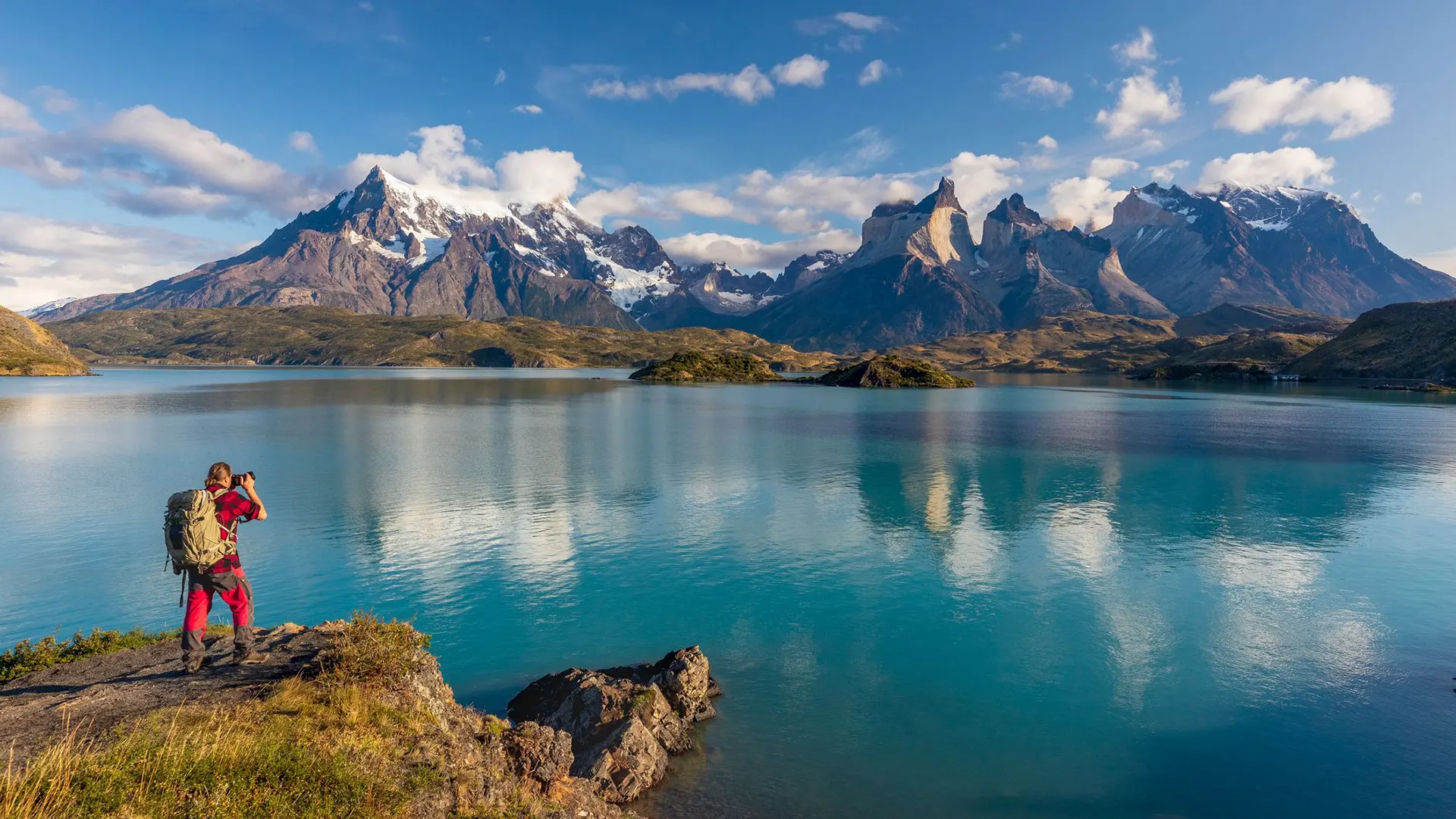
Patagonia is a dream for hikers, nature enthusiasts, and thrill-seekers alike. But when is the ideal time to explore Patagonia? The answer varies based on the type of experience you’re seeking, as this extraordinary region brings something unique during every season.
A defining feature of Patagonia is its unpredictable weather. A bright sunny morning can transform into a snowstorm by evening. It’s said you can experience all four seasons in a single day — sunshine at dawn, winds and clouds at midday, rain by afternoon, and snow by dusk.
This erratic weather adds to Patagonia’s untamed allure and serves as a constant reminder of nature’s immense power. Visiting this region means embracing spontaneity, resilience, and wonder at every turn.
When to Visit Patagonia: A Season-by-Season Guide
Rather than searching for the “ideal” time, it’s better to explore what each season has to offer. Here’s a detailed breakdown to help you plan your trip with SALUXE TRAVEL.
Patagonia in Winter (July – September)
Winter in Patagonia is for the truly daring. From July to September, weather conditions become extreme. Snow blankets the land, and many trails become impassable without specialized gear. For those prepared and seeking solitude, winter presents breathtaking snowy vistas and utter tranquility.
- Highlights: Snow-covered peaks, winter sports in Ushuaia, minimal crowds.
- Challenges: Closed mountain refuges, potential delays from severe weather.
- Ideal for: Experienced trekkers and snow enthusiasts in search of unspoiled landscapes.
Ushuaia, the southernmost city in the world, becomes a winter paradise during this season. Think alpine skiing, husky sledding, and panoramic white scenery. However, be mindful that snowstorms might keep you indoors for days, so flexibility is essential.
Some adventurers even claim this is the best time to trek the Torres del Paine, free of crowds and surrounded by dramatic snow-covered backdrops.
Patagonia in Spring (October – December)
Spring is the season of renewal in Patagonia. Snow begins to melt, rivers swell with glacier runoff, and wildflowers burst into bloom. From October to December, mild temperatures make it an excellent time for hiking, wildlife viewing, and savoring the beauty of nature before the peak season hits.
- Highlights: Flowering plants, active wildlife, fewer tourists.
- Temperature: Around 11°C (51.8°F) in regions like Tierra del Fuego.
- Best views: Mount Fitz Roy, Perito Moreno Glacier, Torres del Paine.
Unlike the summer rush, spring allows you to enjoy the trails with fewer crowds. It’s a perfect period for photographers and nature lovers to experience Patagonia’s vivid scenery in solitude.
Locations like El Calafate, El Chaltén, and Península Valdés open up fully, offering superb hiking opportunities and even sightings of whales and other wildlife along the coast.
Patagonia in Summer (January – March)
Summer in Patagonia is the peak season, and for good reason. Between January and March, long days and pleasant temperatures make it the perfect time for a full range of activities. From kayaking and horseback riding to glacier trekking, it’s the prime season for an extensive adventure.
- Average max temperature: Up to 13.3°C (55.9°F) in Ushuaia and 18°C (64.4°F) in El Chaltén.
- Daylight: Up to 16 hours of daylight per day.
- Downside: High demand, higher prices, and limited lodging availability if not booked early.
This is the high season in Patagonia. If you’re visiting during these months, ensure you make reservations well in advance. National parks like Torres del Paine and Los Glaciares get crowded, but the vibrant atmosphere, extensive tours, and endless daylight make it worth the planning.
In cities such as Buenos Aires, summer brings open-air concerts, art shows, and lively night markets, adding a cultural dimension to your nature-filled adventure.
Patagonia in Autumn (April – June)
Autumn paints Patagonia in shades of red, orange, and gold. From April to June, forests and valleys are ablaze with color, creating surreal landscapes that rival Japan’s autumn foliage. It’s a peaceful, reflective season with shorter days and chillier nights.
- Highlights: Fiery foliage, crisp air, fewer tourists.
- Risks: Lower temperatures and potential travel delays due to storms, especially in remote areas.
For those chasing landscapes that appear edited with a saturation filter, autumn is the time to go. The weather shifts toward winter, so be prepared for cold fronts and the possibility of waiting out a storm in a cozy lodge.
Many seasoned travelers argue that fall unveils the most photogenic side of Patagonia, particularly in the Lake District and northern areas.
Climate and Weather in Patagonia: Monthly Breakdown
Thanks to the region’s vast geography, Patagonia’s climate can vary significantly from one location to another. Here are climate details for some of Patagonia’s iconic destinations, such as Ushuaia, El Calafate, El Chaltén, and Puerto Natales. Understanding these weather patterns will help you choose your travel dates according to your preferences and activities.
Ushuaia (Argentina)
| Month | Avg Temp (°C) | Min Temp (°C) | Max Temp (°C) | Avg Temp (°F) | Rainfall (mm) |
|---|---|---|---|---|---|
| January | 9 | 4.7 | 13.3 | 48.2 | 55 |
| July | 1.4 | -1.7 | 4.5 | 34.5 | 45 |
| October | 5.9 | 1.6 | 10.2 | 42.6 | 37 |
Travel Tip: Rain is frequent throughout the year, so be sure to pack a waterproof jacket no matter when you visit.
El Calafate (Argentina)
| Month | Avg Temp (°C) | Min Temp (°C) | Max Temp (°C) | Avg Temp (°F) | Rainfall (mm) |
|---|---|---|---|---|---|
| January | 13.2 | 8.3 | 18.2 | 55.8 | 14 |
| May | 4 | 0.5 | 7.6 | 39.2 | 31 |
| November | 10.6 | 5.1 | 16.2 | 51.1 | 11 |
Travel Tip: El Calafate experiences relatively low rainfall, making it an ideal base for exploring the Perito Moreno Glacier.
El Chaltén (Argentina)
| Month | Avg Temp (°C) | Min Temp (°C) | Max Temp (°C) | Avg Temp (°F) | Rainfall (mm) |
|---|---|---|---|---|---|
| January | 12.9 | 7.8 | 18 | 55.2 | 58 |
| April | 8 | 3.5 | 12.6 | 46.4 | 91 |
| November | 9.7 | 5.1 | 14.4 | 49.5 | 45 |
Travel Tip: Autumn in El Chaltén is visually spectacular, though spring and summer are best for extensive hikes like Laguna de los Tres.
Puerto Natales (Chile)
| Month | Avg Temp (°C) | Min Temp (°C) | Max Temp (°C) | Avg Temp (°F) | Rainfall (mm) |
|---|---|---|---|---|---|
| January | 11.5 | 6 | 17.1 | 52.7 | 29 |
| March | 9 | 3.7 | 14.3 | 48.2 | 48 |
| November | 8.9 | 3.5 | 14.4 | 48.0 | 20 |
Travel Tip: Puerto Natales, near Torres del Paine, is a perfect starting point for hikes and glacier tours. Surprisingly, the town experiences fewer rainy days than expected.
What to Pack for a Patagonia Adventure
Patagonia is rugged and remote, so preparation is crucial. Whether you’re heading on a full trek or just a scenic tour, the right gear is vital. Here’s a comprehensive packing list curated by SALUXE TRAVEL experts:
Essential Clothing
- Durable trekking boots (Gore-Tex recommended) and backup lightweight shoes
- Thermal shirts (base layers)
- Fleece jacket (mid-layer)
- Windproof and waterproof jacket (outer layer)
- Trekking pants + waterproof over-pants
- Warm hat, gloves, neck gaiter or scarf
- Wool or thermal socks (3-4 pairs)
Backpacks and Accessories
- Travel backpack (max 15kg)
- Daypack for short hikes
- Trekking poles (highly recommended)
- Sunglasses with UV protection
- High SPF sunscreen and lip balm
- Headlamp with extra batteries
- Personal first-aid kit (include ointment for sprains)
Camping Gear
- Tents, sleeping bags, cooking gear
- Bring: box lunch, spare clothes, sleeping clothes
In El Chaltén, luggage stays at the lodge while you hike with a daypack. In Torres del Paine, your main gear remains in the transport vehicle as you camp for three nights under the stars. Our team handles the logistics — you just enjoy the adventure.
Unforgettable Experiences in Argentine and Chilean Patagonia
Exploring Patagonia is more than just visiting a destination — it’s about immersing yourself in one of the last untouched frontiers of the world. With SALUXE TRAVEL as your guide, every step is elevated into a premium adventure, combining exploration, culture, and sustainability.
El Chaltén and the Fitz Roy Range
Known as Argentina’s trekking capital, El Chaltén is a must-see for those passionate about hiking and nature. Nestled in Los Glaciares National Park, this small village is the gateway to spectacular trails, including the world-renowned hike to Laguna de los Tres, offering incredible views of Mount Fitz Roy.
The surrounding trails in El Chaltén offer options ranging from day hikes to multi-day treks, all featuring dramatic landscapes from lenga forests to glacial valleys. Autumn brings warm tones, while summer brings expansive mountain views with clear skies.
Perito Moreno Glacier and El Calafate
Few sights on Earth rival the awe-inspiring scale of the Perito Moreno Glacier. Located near El Calafate, this dynamic ice giant moves up to 2 meters per day and regularly calves massive chunks into Lago Argentino — a natural spectacle you can view from panoramic walkways or during guided boat tours.
El Calafate is also a hub for regional culture and gastronomy. After a day of ice trekking, return to town to sample artisanal chocolates, Patagonian lamb, or a glass of Malbec under the Southern Cross.
Torres del Paine National Park
Torres del Paine in Chile is often regarded as the crown jewel of South America’s national parks — and for good reason. From towering granite spires to turquoise glacial lakes, its landscapes are iconic and unforgettable. The park offers trekking routes for all levels, including the famous “W” and “O” trails.
Each trail takes you through diverse ecosystems: lenga forests, alpine valleys, and windswept plains dotted with guanacos. Whether you prefer challenging hikes or shorter scenic routes, this park provides raw wilderness at its finest.
Tierra del Fuego and the End of the World
Ushuaia, often referred to as the southernmost city on Earth, lies at the edge of the continent, just a step away from Antarctica. Beyond its geographical extremes, it offers stunning views of snow-capped peaks, fjords, and beech forests buffeted by the wind.
In Tierra del Fuego National Park, you can hike along rivers and lakes shaped by glacial retreat. Activities such as navigating the Beagle Channel, spotting sea lions, or visiting penguin colonies complement the region’s unique appeal.
Península Valdés and Atlantic Patagonia
On the Atlantic side of Patagonia, the Península Valdés is a UNESCO World Heritage Site and a sanctuary for marine wildlife. Depending on the season, travelers can observe Southern Right Whales, Magellanic penguins, elephant seals, and orcas hunting along the coastline.
The landscapes here are stunning in their starkness — windswept plateaus contrast with the brilliant blue of the coastal waters. Wildlife safaris, birdwatching, and eco-friendly tours provide a close-up, respectful experience with nature’s most majestic creatures.
The Patagonian Steppe and Remote Crossings
Patagonia’s vast open spaces and remote trails offer a quieter, more reflective experience. The Patagonian steppe reveals another side of the region — one of silence, solitude, and timeless beauty. These lesser-traveled paths, sometimes traversed by local gauchos on horseback, connect the Andes to the Atlantic in rhythmic harmony.
Traveling these routes with SALUXE TRAVEL ensures comfort, safety, and local expertise, allowing you to focus fully on the breathtaking surroundings and meaningful experiences along the way.
Why Choose SALUXE TRAVEL for Your Patagonia Adventure
- Custom Itineraries: Every journey is tailored to suit your preferences, activity level, and comfort needs.
- Expert Guides: Our bilingual guides are experts on Patagonia’s terrain, wildlife, and culture.
- Premium Support: From luxurious accommodations to handling logistics in remote areas, we take care of every detail.
- Sustainable Travel: We work closely with local communities and conservation efforts to ensure your journey leaves a positive impact.
With SALUXE TRAVEL, you’re not simply visiting Patagonia — you’re becoming part of its story, trekking through pristine trails, witnessing glaciers calve into ancient lakes, and standing in awe of the untouched wilderness that defines the region.
So, When Is the Best Time to Visit Patagonia?
Ultimately, the best time to visit Patagonia depends on the experience you want to have:
- Winter (Jul–Sep): Snow, solitude, and dramatic scenery — ideal for seasoned adventurers and photographers.
- Spring (Oct–Dec): Blooming landscapes and active wildlife, perfect for trekking with fewer crowds.
- Summer (Jan–Mar): Full access to trails and excursions, with extended daylight — great for first-time visitors and adventure enthusiasts.
- Autumn (Apr–Jun): A painter’s palette of colors and peaceful surroundings for those seeking reflection and beauty.
No matter which season you choose, one thing is certain: Patagonia will leave an unforgettable mark on you.