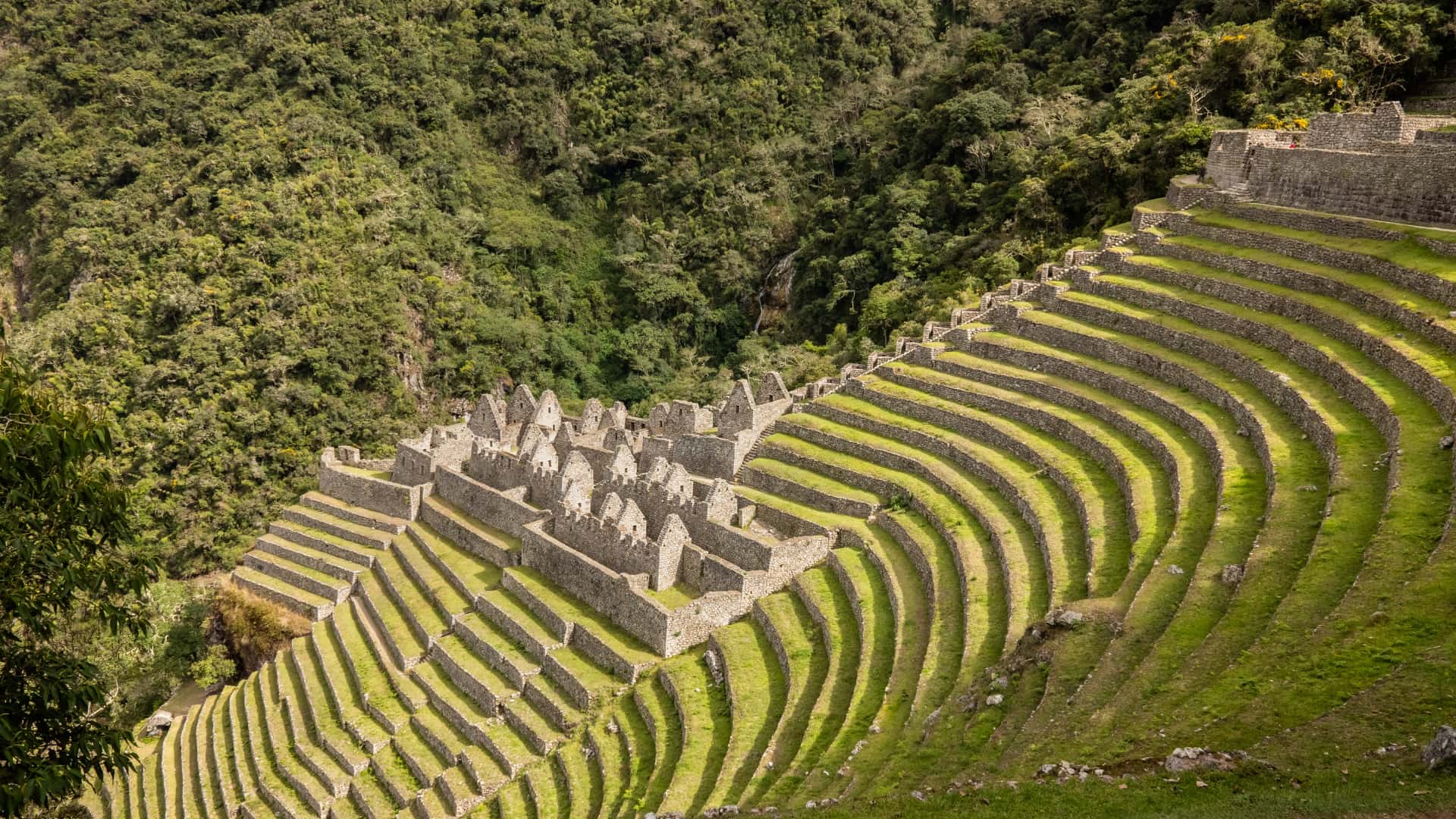
Located along the famous Inca Trail, the Wiñay Wayna ruins are a remarkable representation of the Inca civilization’s ingenuity and spiritual depth. While Machu Picchu often steals the spotlight, Wiñay Wayna offers a distinct opportunity to delve into ancient Inca architecture, cultural traditions, and their profound connection with the natural world. Whether you’re an avid hiker, a history lover, or someone seeking a peaceful experience amidst stunning ruins, Wiñay Wayna in Peru promises a journey full of discovery and awe.
Key Information About Wiñay Wayna
| Feature | Details |
| Location | Cusco Region, Peru |
| Elevation | 2,700 meters (8,900 feet) |
| Discovery | Unearthed between 1940 and 1942 by the Wenner Gren Scientific Expedition |
| Main Structures | Upper and Lower Complexes, Extensive Agricultural Terraces |
| Primary Purpose | Spiritual center, regional administration hub, and rest stop for travelers |
| Flora | Home to native orchids, including the iconic Wiñay Wayna orchid |
| Access | Accessible via Classic or Short Inca Trail |
| Optimal Visiting Period | Dry season from May through October |
Understanding Wiñay Wayna
The name Wiñay Wayna, meaning “forever young” in Quechua, reflects the site’s legendary symbolism. This impressive Inca archaeological site lies approximately 3.3 kilometers south-southeast of Machu Picchu. Positioned on a steep mountainside between Puyupatamarca and Intipunku (the Sun Gate), Wiñay Wayna overlooks the lush valley carved by the Urubamba River. At an altitude of 2,700 meters (8,900 feet), it serves as an essential milestone for trekkers on the Inca Trail, offering a window into the engineering and cultural expertise of the Incas.
The History of Wiñay Wayna
Built in the 15th century during the reign of Emperor Pachacutec, the visionary leader who expanded the Inca Empire, Wiñay Wayna played a multifaceted role in Inca society. While its exact function remains the subject of debate among scholars, the site is believed to have served several critical purposes:
- Spiritual Center: The presence of ceremonial fountains and bathing pools suggests the site was used for spiritual rituals, likely honoring Inca gods and for purification ceremonies.
- Administrative Hub: It may have functioned as a center for managing agricultural activities and the distribution of resources in the region.
- Resting Spot for Travelers: Strategically located on the Inca Trail, Wiñay Wayna likely served as a place for rest and recuperation for nobles, officials, and other travelers on their way to Machu Picchu.
Inca Engineering and Architecture at Wiñay Wayna
The Wiñay Wayna ruins are a stunning example of Inca architectural and engineering brilliance, showcasing their skill in stonework and integration with the landscape.
Upper and Lower Complexes
Wiñay Wayna is divided into two main complexes:
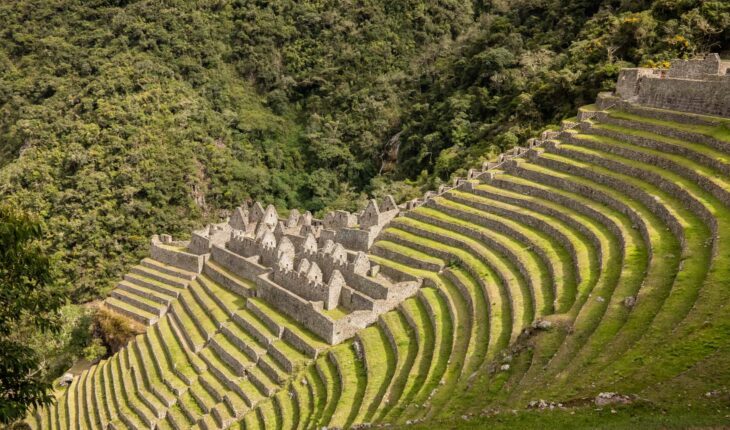
- Upper Complex: This area features a prominent circular structure, likely used for ceremonial purposes, along with characteristic trapezoidal windows and doorways that are hallmarks of Inca design.
- Lower Complex: Distinguished by jagged parapet walls and massive stone blocks, this section is linked to the upper complex by a beautifully crafted stone staircase, adorned with ancient fountains and baths.
Innovative Agricultural Terraces
The site is surrounded by extensive, expertly engineered terraces carved into the steep hillside. These terraces were designed to combat soil erosion, optimize irrigation, and boost crop yields in the challenging Andean environment. They supported the cultivation of vital crops like potatoes, corn, and coca leaves, illustrating the Incas’ advanced agricultural practices.
The Natural Beauty of Wiñay Wayna
Beyond its architectural wonders, Wiñay Wayna is nestled within a captivating natural environment, making it an attractive destination for nature lovers and explorers.
Local Flora and Wildlife
The ruins are surrounded by a dense cloud forest teeming with biodiversity. Visitors may encounter colorful orchids, including the signature Wiñay Wayna orchid, hummingbirds, and, on rare occasions, the elusive spectacled bear. The interplay of mist, lush greenery, and ancient stonework creates a tranquil and almost mystical ambiance.
The Wiñay Wayna Orchid
This orchid, which lends the site its name, is known for its delicate beauty and cultural importance. In Inca mythology, it symbolizes eternal youth and vitality, perfectly aligning with the site’s name, “forever young.”
Visiting Wiñay Wayna
Exploring the Wiñay Wayna ruins is a memorable blend of adventure and cultural immersion. Here’s what you need to know to plan your visit.
Getting to Wiñay Wayna
The site is only accessible via the Inca Trail, which offers various trekking options:
- Premium 5-Day Inca Trail Trek:
- Day 1: Acclimatization trek from Cusco to Wayllabamba
- Day 2: Challenging ascent over Dead Woman’s Pass, Wayllabamba to Paqaymayu
- Day 3: Journey through jungle terrain and historical ruins, Paqaymayu to Phuyupatamarca
- Day 4: Descent to Machu Picchu via the Sun Gate
- Day 5: Guided Machu Picchu tour and return train to Cusco
- Classic 4-Day Inca Trail Trek:
- Day 1: Cusco to Wayllabamba for warm-up
- Day 2: Dead Woman’s Pass challenge, Wayllabamba to Paqaymayu
- Day 3: Trek from Paqaymayu to Wiñay Wayna through jungle landscapes
- Day 4: Visit Machu Picchu and return to Cusco by train
- Short 2-Day Inca Trail Trek:
- Day 1: Train journey to kilometer 104
- Day 2: Machu Picchu exploration and return to Cusco
Best Time to Visit
The best time to visit Wiñay Wayna is during the dry season, from May to October, offering clear skies and optimal trekking conditions. The shoulder months of April and November are also appealing due to milder weather and fewer tourists, allowing for a quieter, more intimate experience.
What to Bring for Your Trek
- Altitude Sickness Medication: Highly recommended to prevent altitude sickness.
- Sleeping Bag: Essential for overnight treks on the Inca Trail.
- Insect Repellent: Protect against mosquitoes in the cloud forest.
- Sunglasses and High SPF Sunscreen: Protect from high-altitude sun exposure.
- Sturdy Hiking Boots: Necessary for navigating rocky trails.
- Water and Energy Snacks: Stay hydrated and energized during the trek.
Tour Services
Booking your Wiñay Wayna trek with a reputable provider like SALUXE TRAVEL ensures a smooth and enriching experience. We specialize in well-organized tours that emphasize safety, expert guidance, and competitive pricing, so you can fully enjoy Peru’s wonders.
Guided Inca Trail Tours
- Experienced Guides: Our guides provide in-depth insights into Wiñay Wayna’s history and significance.
- Flexible Itineraries: Tailor your journey to your preferences and fitness level.
Conservation Efforts
To preserve the Wiñay Wayna ruins, the Peruvian government and international organizations have implemented several conservation measures:
- Visitor Limits: Strict daily visitor caps to minimize environmental impact.
- Restoration Projects: Continuous efforts to maintain and reinforce the site’s terraces and structures.
- Public Education: Programs to educate visitors on the importance of preserving this cultural heritage.
Myths and Legends
Wiñay Wayna is steeped in enchanting myths that have been passed down through generations:
- The Orchid Maiden: A legend tells of a young woman who transformed into an eternal orchid, symbolizing everlasting youth.
- The Ever-Flowing Spring: A myth speaks of a sacred spring that never runs dry, believed to be a divine gift.
The Wiñay Wayna ruins combine exceptional architecture, deep cultural significance, and stunning natural beauty. As a key stop on the Inca Trail, it offers visitors an intimate connection with the past while immersed in the peaceful Andean landscape. Whether you’re heading to Machu Picchu or exploring Peru’s hidden gems, Wiñay Wayna provides a memorable and enriching experience.