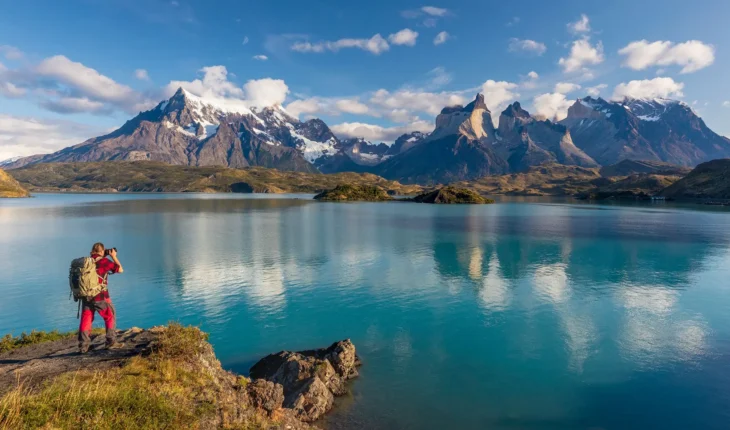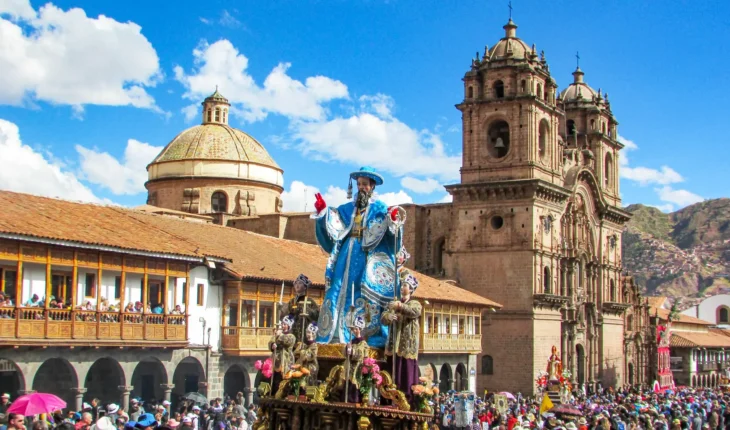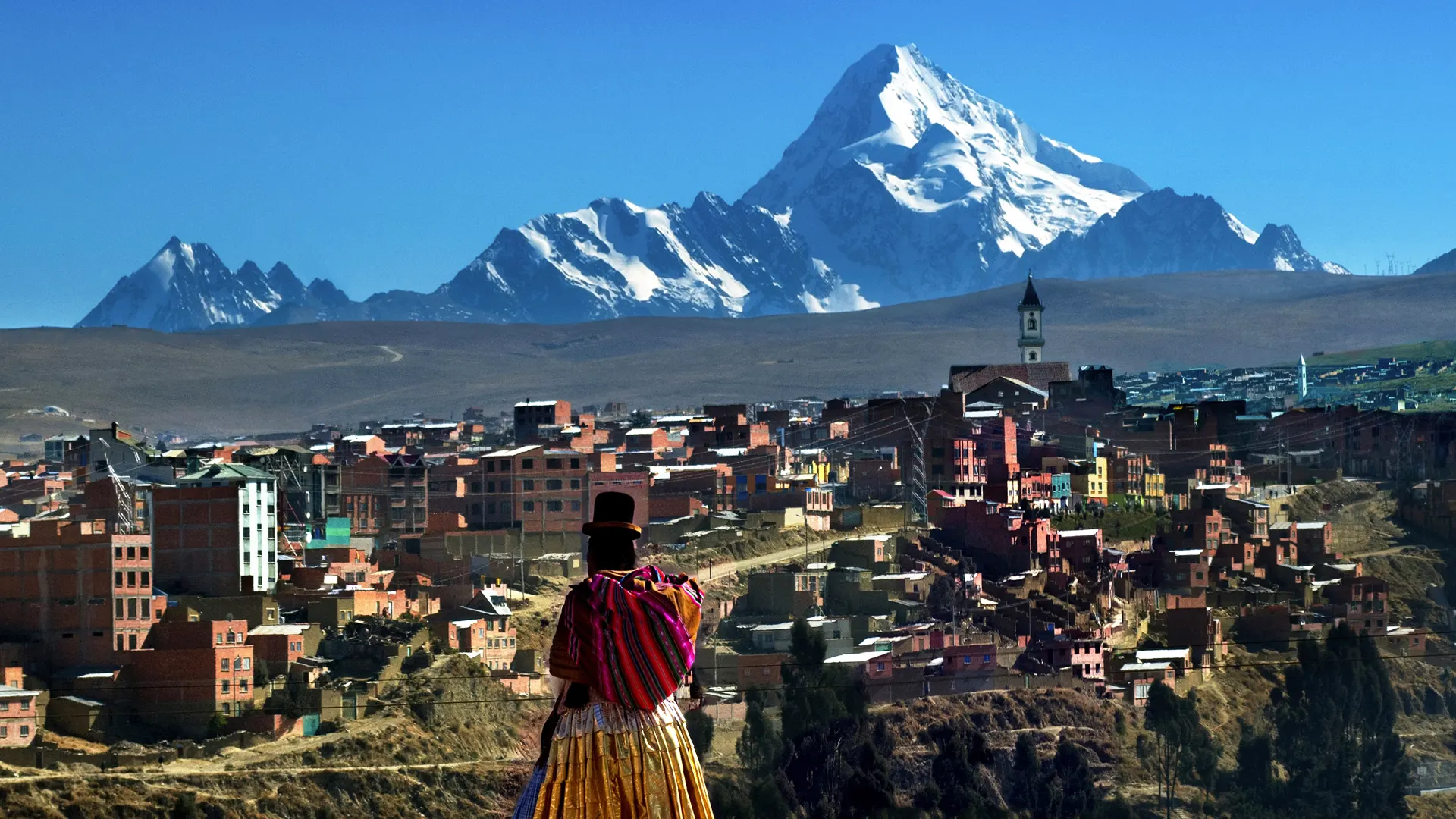
Bolivia is a country filled with stunning landscapes, vibrant cultures, and a rich heritage. From the otherworldly Uyuni Salt Flats to the tranquil beauty of Lake Titicaca and the ancient spirit of the Andean highlands, Bolivia offers a truly unique travel experience.
While Bolivia is an extraordinary destination, it’s not the easiest to navigate. The lack of infrastructure and tourist amenities may present challenges to those who aren’t prepared. But don’t worry — SALUXE TRAVEL has put together essential tips to make your Bolivian journey smooth and memorable.
1. Bring New U.S. Dollar Bills
Bolivian exchange offices are very strict about the condition of foreign currency. If you’re exchanging U.S. dollars for bolivianos, ensure your bills are:
- In pristine condition — no tears, stains, or wrinkles
- Preferably from the latest series with a blue security strip
- $100 bills are more accepted than smaller denominations like $50s
Bills that don’t meet these standards won’t even be accepted at banks. Carry a mix of cash and cards, but make sure your bills are in perfect condition.
2. ATM Access & Card Usage in Bolivia
Bolivia has plenty of ATMs, even in remote towns. You can easily withdraw local currency, but note the following:
- ATMs typically charge a fee of about $5 per transaction
- Some ATMs allow USD withdrawals, but it’s rare
Credit cards are less dependable. Many businesses — including hotels and tour companies — don’t accept them or charge an additional fee of 4–8% if they do.
Tip: Always ask beforehand if cards are accepted and if there are extra charges. It’s safer to use cash for most transactions.
3. Avoid Tap Water – Stick to Bottled Water
Due to environmental concerns and poor water treatment infrastructure, tap water in Bolivia is generally unsafe to drink. This is especially true in areas like Potosí, where mining has impacted water quality.
To stay healthy:
- Drink only bottled water
- Avoid ice in your drinks
- Don’t brush your teeth with tap water if you’re sensitive
- Wash raw fruits and vegetables with purified water
4. Be Prepared for Public Restrooms
Public bathrooms in Bolivia can be an adventure. You’ll likely find that:
- There’s usually a small fee (1 boliviano or less) to use them
- Cleanliness levels vary greatly
- It’s wise to carry your own toilet paper and hand sanitizer
These facilities are commonly found in bus stations and markets but may not meet Western standards.
5. Dining Out Requires Patience
Dining in Bolivia isn’t about quick service. Meals take time, and the pace is more laid-back. Don’t expect fast turnover like you might be accustomed to at Western restaurants.
In group settings, you may wait over an hour to be served. To make your dining experience smoother:
- Ask about waiting times before sitting down
- Check whether service charges or taxes are included in the bill
- Relax and accept the slower pace — it’s part of the local culture
6. Safety Measures: Stay Alert
Although Bolivia is generally safe, petty theft can still occur, particularly in busy cities and tourist hotspots.
Here’s how to stay safe:
- Avoid traveling alone at night
- Carry only essentials when you leave your accommodation
- Use hostel lockers and bring your own padlock
- Keep your bag or backpack in front of you in crowded areas
7. Altitude Sickness Is a Real Concern
Many places in Bolivia, such as La Paz (3,640 meters / 11,942 feet) and Uyuni (3,656 meters / 11,995 feet), are at high altitudes and can cause altitude sickness for travelers who aren’t acclimatized.
Common symptoms include headaches, dizziness, and fatigue. To manage or prevent altitude sickness:
- Rest upon arrival — take it easy for the first day or two
- Drink plenty of water — stay hydrated, and try coca tea
- Limit alcohol during the first few days
- Consult with your doctor about altitude sickness medication (e.g., acetazolamide)
If symptoms worsen, seek medical help immediately or contact your travel insurance.
8. Master the Art of Bargaining
Bargaining is part of the culture in Bolivia, especially at local markets. Vendors often start with higher prices, particularly for tourists. Never accept the first price they offer.
General rule: If an item is priced at 100 Bs, offer 50 Bs and negotiate from there. However, always be respectful:
- Know the fair price — ask locals or other travelers
- Don’t haggle over small amounts — if the price is already low, it’s not worth arguing over
- Maintain a friendly attitude — it’s a cultural exchange, not a fight
At SALUXE TRAVEL, we encourage fair trade and respectful travel.
9. Don’t Expect Punctual Transport
In Bolivia, transportation is often on “Bolivian time.” Buses and colectivos usually wait to fill up before leaving, which can lead to significant delays.
Keep these tips in mind:
- Always build extra time into your schedule for travel
- Ask locals for more accurate departure times
- Expect frequent stops to pick up additional passengers
This is especially true in small towns like Copacabana and Uyuni, where there are no formal bus terminals.
10. Rainy Season and Road Conditions
Bolivia’s rainy season runs from November to March, with January and February being the wettest months.
Though travel during this time can still be enjoyable, be prepared for potential weather disruptions:
- Road closures and landslides are more frequent
- Flooded or muddy roads can cause transportation delays or cancellations
- Some famous sites like the Uyuni Salt Flats may be inaccessible or require special vehicles
If you prefer drier conditions, consider traveling between April and October.
11. Respect the Local Culture and Traditions
Bolivia has a deeply spiritual and culturally diverse population. With over 30 indigenous groups, the country’s traditions and festivals are a big part of its identity. Travelers often fall in love with Bolivia’s colorful events, intricate textiles, and spiritual ceremonies — but respect is essential.
To be a respectful traveler:
- Ask permission before photographing locals, particularly in rural areas
- Dress modestly when visiting religious sites or indigenous communities
- Participate in local traditions only when invited, and do so with an open heart and mind
- Avoid comparing Bolivia to your home country — its uniqueness is what makes it special
At SALUXE TRAVEL, we support cultural immersion and ethical travel experiences that empower local communities.
12. What to Pack for Bolivia
The weather in Bolivia is unpredictable, especially in high-altitude areas like La Paz or Uyuni, where you may experience all four seasons in one day. Here’s a packing list to help you stay comfortable and prepared:
Essential Clothing
- Layers: thermal undergarments, sweaters, windproof jackets
- Comfortable walking shoes: ideal for cobbled streets and mountain paths
- Sun protection: sunglasses, hats, and high-SPF sunscreen
- Rain gear: waterproof jackets and travel umbrellas
Useful Gear
- Reusable water bottle with filter
- Toilet paper and hand sanitizer (always have some in your backpack)
- Altitude sickness, diarrhea, and motion sickness medications
- Power adapter (Bolivia uses 220V — Type A and C plugs)
Extras for Remote Areas
- Snacks for long bus journeys
- Flashlight or headlamp
- Dry bag or waterproof pouches (especially during the rainy season)
13. Estimated Travel Costs in Bolivia
One of Bolivia’s best features is its affordability. Here are the average daily expenses:
| Item | Average Cost (USD) |
|---|---|
| Budget Accommodation | $8–15 |
| Mid-range Hotel | $25–40 |
| Street Food / Market Meal | $2–4 |
| Restaurant Meal | $5–10 |
| Local Transport (bus/taxi) | $0.50–2 |
| Day Tour (e.g., Salar de Uyuni) | $20–100 |
Pro tip: While Bolivia is budget-friendly, expect occasional “tourist pricing” in well-known areas. Having small bills on hand will help avoid overpaying.
14. Top Places You Can’t Miss
While Bolivia is full of hidden gems, some destinations are absolute musts. Here are the top five experiences every traveler should experience:
1. Salar de Uyuni
The world’s largest salt flat is Bolivia’s signature attraction. During the rainy season, it turns into a giant mirror reflecting the sky, offering surreal photo ops. In dry weather, the geometric salt patterns are equally stunning. Many multi-day tours include hot springs, geysers, and dramatic desert landscapes.
2. La Paz
As the world’s highest capital city, La Paz offers breathtaking views, lively markets like the Witches’ Market, and the scenic Mi Teleférico cable car system.
3. Lake Titicaca & Isla del Sol
This sacred lake shared with Peru is steeped in myths and natural beauty. A boat trip to Isla del Sol reveals ancient Inca ruins and peaceful lakeside villages.
4. Potosí
Once one of the wealthiest cities globally thanks to its silver mines, Potosí now offers a deep dive into the colonial and mining history of the Andes. Visiting the Cerro Rico mines is a powerful experience.
5. Sucre
Known as Bolivia’s most beautiful city, Sucre boasts colonial charm, warm weather, and a laid-back vibe. It’s also a great spot for Spanish learning or cultural immersion.
15. Final Advice: Stay Flexible, Stay Curious
Traveling in Bolivia is more than sightseeing. It’s about adjusting to a slower pace, embracing its imperfections, and exploring a country that’s as challenging as it is rewarding.
To sum it up in one tip: remain adaptable. Delays will happen, and plans may change, but those detours often make for the best memories.
Let Bolivia surprise you — its true magic lies in its authenticity, its people, and its untouched beauty.
For more personalized experiences in Bolivia and throughout South America, let SALUXE TRAVEL curate your next adventure with sophistication, purpose, and cultural insight.