1. Why the Inca Trail Matters
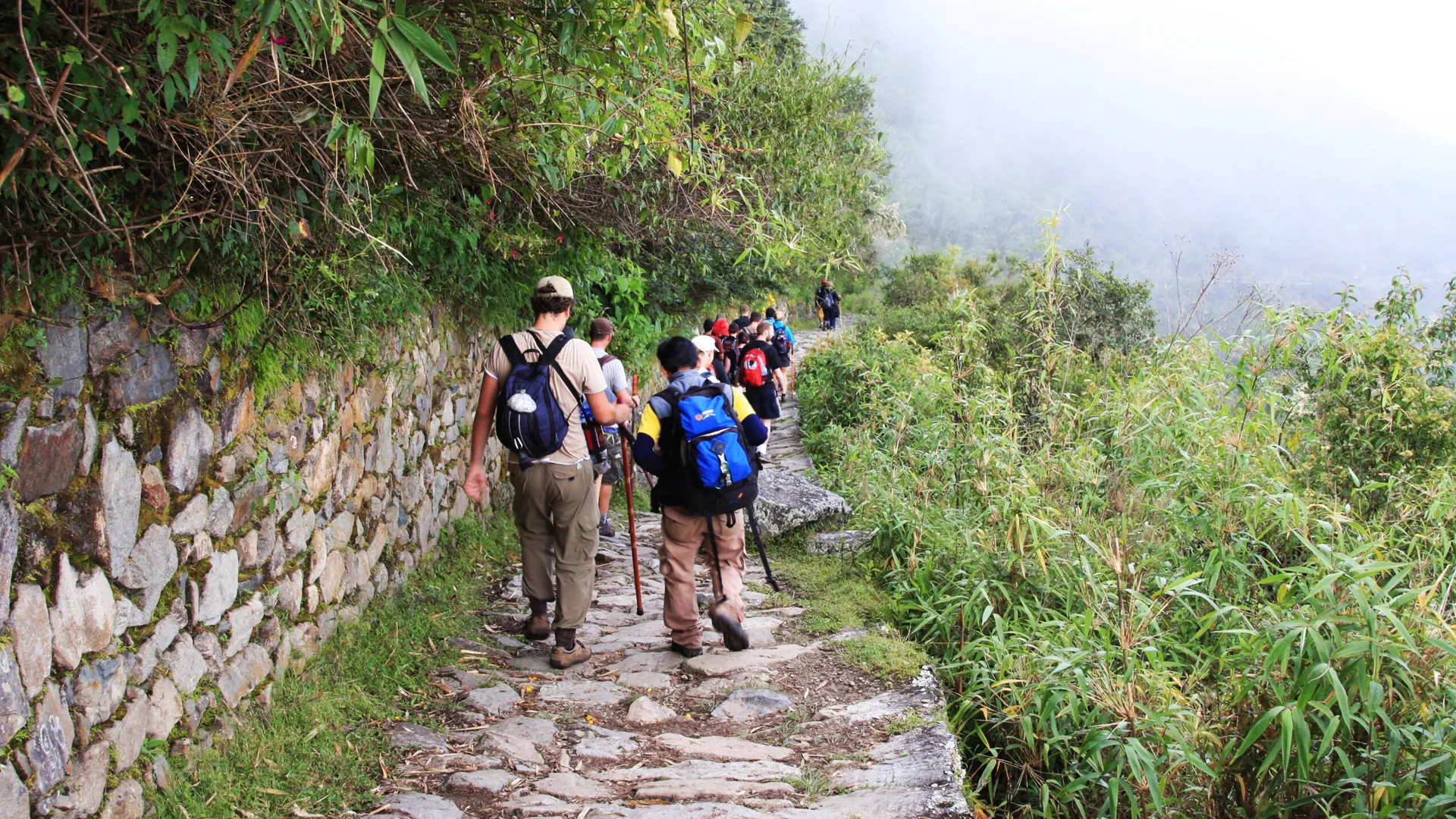
The Inca Trail isn’t just a hike; it’s a historic path that leads to the stunning Machu Picchu, one of the New Seven Wonders of the World. A UNESCO World Heritage Site, the trail winds through the Andean mountains, dense cloud forests, and ancient ruins. Due to its cultural and ecological importance, the trail is protected by regulations aimed at preserving its beauty and significance for future generations.
2. Key Regulations for the Inca Trail
2.1 An Overview of the Guidelines
The regulations for hiking the Inca Trail are carefully crafted to ensure both the safety of trekkers and the preservation of the environment and cultural landmarks. These rules are enforced by various Peruvian institutions, including the Ministry of Culture, Ministry of Tourism, DIRCETUR, and SERNANP, along with UNESCO.
- Permit Limitations: Only 500 individuals, including hikers, guides, and support staff, are allowed daily.
- Designated Routes and Campsites: Hikers must stick to official trails and camp at authorized locations.
- Operating Hours: The trail is open from 5:00 AM to 7:00 PM every day.
- Environmental Protection: The regulations are in place to minimize the impact on the ruins and natural surroundings.
- Restricted Items: Certain items and behaviors are prohibited to preserve the integrity of the trail.
2.2 Permits and Access
2.2.1 Daily Limit and Access Process
In an effort to protect the trail, only 500 people can hike daily, including guides, cooks, and porters. Trekkers must secure an official permit in advance, which is recorded no less than 48 hours before their scheduled entry. At the main checkpoint at Kilometer 82, all visitors are required to show their original identification, such as a passport.
2.2.2 Identification and Checkpoints
Hikers must present valid identification at designated checkpoints to verify their permits and ensure safety. This helps manage the number of visitors and maintain security on the trail.
2.3 Accessibility and Operating Hours
2.3.1 Hours of Operation
The trail is open for hiking only between 5:00 AM and 7:00 PM, in order to prevent accidents and protect the archaeological sites. Night hiking is strictly forbidden unless there is an emergency.
2.3.2 Seasonal Closures
The trail is closed during February each year for restoration and maintenance. Any additional closures are announced at least 30 days in advance.
3. Environmental and Cultural Conservation
3.1 Staying on Marked Paths
To prevent damage to archaeological sites and delicate ecosystems, hikers are required to stay on official trails. Camping is allowed only at authorized locations like Ayapata, Chaquicocha, and Wiñayhuayna.
3.2 Waste Management
All waste must be carried out and disposed of properly. Tour operators assist in promoting responsible waste management practices to ensure the preservation of the trail’s pristine beauty.
4. Items Not Allowed on the Inca Trail
To safeguard the Inca Trail, certain items are strictly prohibited:
- Weapons: Firearms, knives, and machetes are banned.
- Flammable Materials: Items like gasoline and kerosene are prohibited.
- Alcohol and Drugs: These are forbidden to maintain the safety and sanctity of the site.
- Metal-Tipped Walking Sticks: Only walking sticks with rubber tips are allowed.
- Drones and Filming Gear: Drones and professional cameras require special permits.
- Noise Disruptions: Loudspeakers and musical instruments are not permitted.
- Animals: No pets, whether domestic or exotic, are allowed.
- Glass Bottles: Glass containers are banned to prevent litter and avoid injury.
- Open Fires: Lighting fires is strictly prohibited.
5. Enforcement and Oversight
5.1 Supervision by Authorities
The regulations are enforced by Peruvian agencies and UNESCO to guarantee both safety and conservation. Violations of the rules can result in fines or removal from the trail.
5.2 Penalties for Non-Compliance
Failure to follow the regulations may lead to penalties, including the cancellation of permits and fines.
6. Key Information for Hikers
6.1 Group Size and Support Staff
- Group Size: A maximum of 16 tourists per group, with extra guides for larger groups.
- Daily Limit: 500 individuals, including support staff.
6.2 Booking and Advance Reservations
Because of high demand, permits should be booked well in advance, requiring full name, nationality, passport details, and payment.
6.3 Essential Gear
- Backpack: Sturdy and comfortable.
- Sleeping Bag: Suitable for mountain conditions.
- Tent: Permitted only at designated campsites.
- Water Filter: Essential for safe hydration.
- First Aid Kit: Necessary for emergencies.
- Portable Stove: Open flames are prohibited.
7. Commonly Asked Questions
| Question | Answer |
|---|---|
| How many people are allowed daily on the trail? | 500, including tourists and staff. |
| What are the trail’s operational hours? | 5:00 AM to 7:00 PM. |
| Can I extend my stay on the trail? | No, extensions are not allowed. |
| When is the trail closed? | Each February for maintenance. |
8. Tips for Responsible Hiking
- Respect the Cultural Sites: Avoid damaging or altering the ruins.
- Stay on Designated Trails: Do not hike off the marked paths.
- Minimize Waste: Pack out all trash.
- Use Eco-Friendly Products: Opt for biodegradable toiletries.
9. Final Thoughts
The Inca Trail is a journey steeped in history and surrounded by natural beauty. By following the regulations and best practices, you help preserve this iconic trail for future generations. Respect the trail, immerse yourself in the experience, and leave only footprints behind.