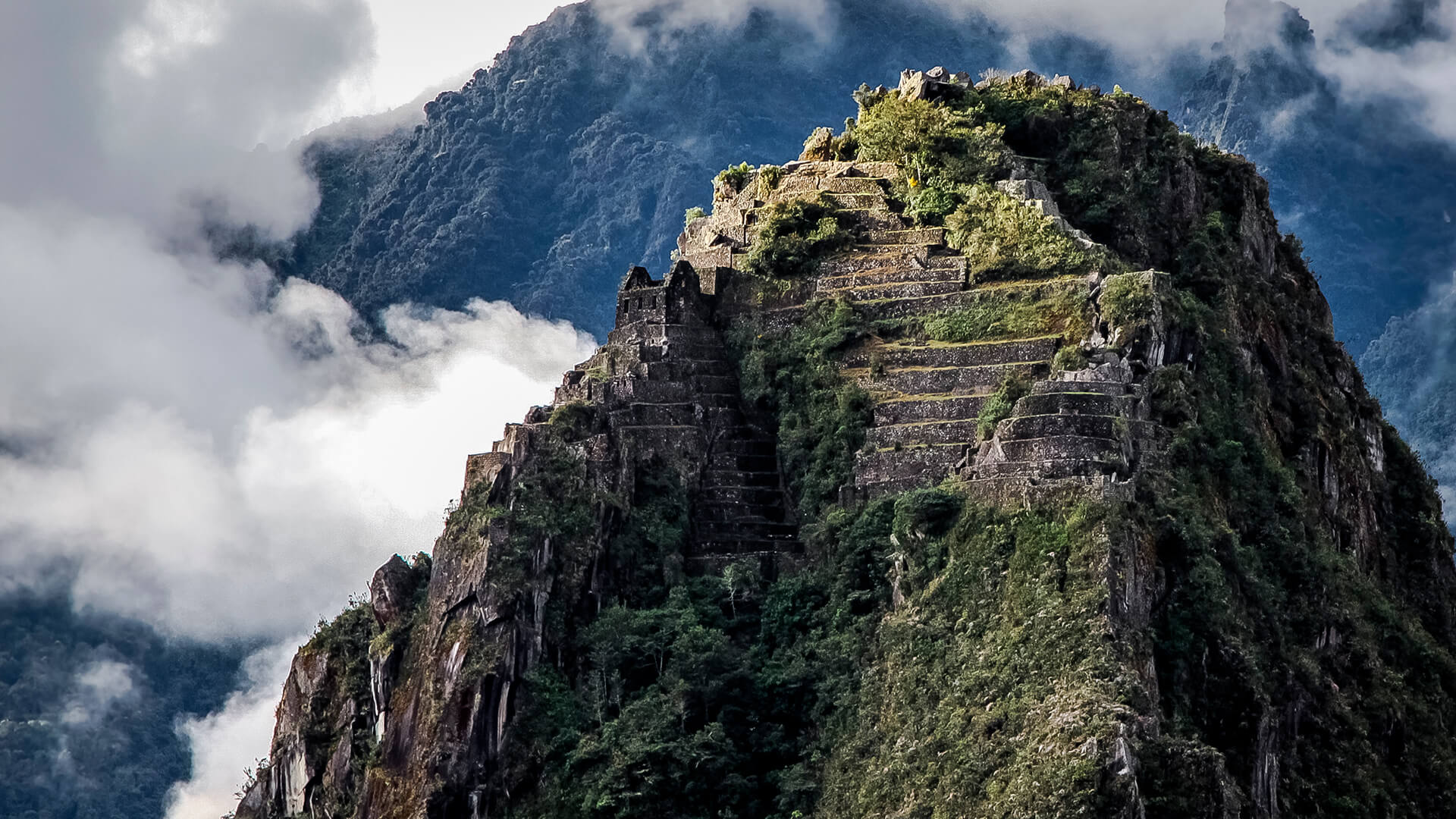
Set within the breathtaking peaks of the Peruvian Andes, Huayna Picchu stands tall above the famous Machu Picchu, offering one of the most exhilarating and visually captivating hikes in South America. Recognized for featuring in numerous iconic images of the Inca sanctuary, this mountain invites adventurers, history buffs, and photographers to experience its beauty firsthand. With this comprehensive guide, you will be all set to explore Huayna Picchu in 2025.
What is Huayna Picchu?
Also known as Wayna Picchu, this remarkable peak overlooks the ancient site of Machu Picchu. Its Quechua name, meaning “young mountain”, reflects its fresh and distinct profile among the surrounding ranges. Rising to an elevation of approximately 2,693 meters (8,835 feet), Huayna Picchu offers a challenging trail and extraordinary viewpoints that make the journey unforgettable.
Historical Significance
A Sacred Site of the Incas
Not just a scenic backdrop, Huayna Picchu played an essential role in the Inca religious and military systems. The Incas built terraces and ceremonial structures along its steep slopes, transforming the peak into a sacred site with both spiritual and defensive functions.
Rediscovery and Preservation
While Machu Picchu was brought to global attention after Hiram Bingham’s expedition in 1911, Huayna Picchu began to gain interest much later. Over the years, conservation efforts have preserved its integrity, and today it stands as a symbol of Incan ingenuity and strength.
Why Hike Huayna Picchu?
Thrill and Challenge
If you’re looking for a hike that tests your endurance while offering a rewarding experience, look no further. The trail includes steep inclines and the infamous “Death Stairs”, delivering an adrenaline boost as you climb. Reaching the summit offers mesmerizing views of the citadel and the surrounding landscape.
Cultural Connection
Every step on Huayna Picchu takes you deeper into Inca history. Explore ancient temples and agricultural terraces that reveal the Inca way of life, their religious practices, and their connection to nature.
Unbeatable Views
At the peak, you’ll be rewarded with panoramic views of the Andes, the Urubamba River, and Machu Picchu itself. Whether you’re a professional photographer or just a traveler seeking beauty, the scenery will take your breath away.
Geographical Information
Situated in Peru’s Cusco Region, Huayna Picchu is part of the Vilcabamba mountain range within the Machu Picchu Historic Sanctuary, around 80 km (50 miles) from the city of Cusco.
Elevation Details
- Huayna Picchu Summit: 2,693 meters (8,835 feet)
- Machu Picchu Ruins: 2,430 meters (7,970 feet)
Hiking Overview
The Trail
This 2.4 km (1.5-mile) trail is not for the faint-hearted. It begins on a shared path with Machu Picchu and veers off to the right. Approximately 750 stone steps lead to the summit, with cables to aid in the steeper sections.
The Death Stairs
One of the most thrilling sections of the hike, these steep and narrow stairs add intensity to your climb. Though daunting, the installed safety measures make them manageable with care and attention.
Options at the Top
- Short Route: Return along the original path.
- Extended Route: Visit the Temple of the Moon, then descend through forest trails.
At the summit, you’ll encounter sacred sites and a lush natural environment teeming with orchids and wildlife.
Huayna Picchu Entry Tickets
How to Reserve
A maximum of 300 visitors are allowed to hike Huayna Picchu daily. It’s essential to book your tickets well in advance, especially during peak seasons.
Entry Times
- First Entry (7:00 am – 8:00 am)
- Ideal for early risers or those staying in Aguas Calientes.
- Fewer visitors and magical morning light make this slot perfect.
- Second Entry (9:00 am – 10:00 am)
- Great for those visiting Machu Picchu first or coming from other treks.
- Enjoy the hike with better lighting and potentially fewer crowds.
Ticket Price: Around 200 soles (~$55 USD)
Note: These tickets only grant access to the lower sections of Machu Picchu. Additional tickets are necessary for full citadel access.
Best Time to Visit
Dry Season (April–October)
- Pros: Clear skies, safer trails, fewer insects
- Cons: Bigger crowds from June to August
Rainy Season (November–March)
- Pros: Lush landscapes, cooler weather, greater solitude
- Cons: Slippery and muddy trails, unpredictable weather
Recommended Months: March, April, September, and October offer the best balance of weather and fewer visitors.
What to Pack
- Clothing: Breathable layers, waterproof jacket, warm outerwear
- Footwear: Sturdy hiking boots with good grip
- Accessories: Hat, sunglasses, sunscreen, insect repellent
- Essentials: Water (2L+), snacks, first-aid kit, camera
Things to Do in Aguas Calientes
Before or after your hike, take some time to explore this charming village:
Hot Springs
Relax and rejuvenate in its natural thermal baths.
Handicraft Market
Purchase unique crafts, textiles, and souvenirs.
Local Cuisine
Taste regional dishes such as trout, quinoa soup, and alpaca steak.
Manuel Chávez Ballón Museum
Learn more about the historical context of Machu Picchu.
Mandor Gardens
Discover waterfalls, orchids, and diverse birdlife in this peaceful nature reserve.
Frequently Asked Questions
Should I book Huayna Picchu in advance?
Yes, booking months ahead is highly recommended due to limited availability.
Is the hike dangerous?
If you take precautions, it’s safe. The steps are steep, but with proper gear and attention, you should be fine.
How long is the hike?
Expect about 1.5 hours to ascend and the same for the descent — around 3 hours in total.
Is there an age limit?
Yes, children under 12 are not allowed on the Huayna Picchu trail.
What difficulty level is the hike?
It’s considered a challenging hike due to its steep and narrow paths.
What time of day is best to go?
Hiking in the morning offers cooler weather and better lighting.
Are trekking poles allowed?
Generally, trekking poles are not permitted on the trail.
Is Huayna Picchu lower than Machu Picchu Mountain?
Yes, Machu Picchu Mountain stands taller at about 3,080 meters.
What can I see on the trail?
You’ll come across temples, terraces, and the mystical Temple of the Moon.
What’s the difference between the two mountains?
Huayna Picchu is steeper and closer to the ruins, while Machu Picchu Mountain offers broader views.
Is it worth it?
Absolutely! The combination of challenge, scenery, and historical significance makes it an unforgettable experience.
Top Tips for the Hike
- Start Early: Beat the heat and avoid crowds.
- Stay Hydrated: Bring plenty of water.
- Take Breaks: Listen to your body.
- Wear Proper Footwear: Good boots are essential.
- Respect Nature: Follow Leave No Trace principles.
- Hire a Local Guide: Learn more about the history and environment of the site.
Huayna Picchu is not just a mountain — it’s an adventure that blends nature, culture, and thrill. From navigating ancient stairways to taking in the majestic Andes, it’s a must-see experience.
Plan your trip with SALUXE TRAVEL and enjoy a smooth, enriching journey to this magical destination. Book your Huayna Picchu tickets in advance, pack wisely, and get ready for a memorable adventure.